
Buy

Buying and investment property specialties, including single-family homes and multifamily properties

Choose the Right Market Before You Choose the Right Property

Appreciation vs. Cash Flow

Every successful investment begins with selecting the right market. Before purchasing a property, it’s important to decide what matters most to your investment strategy. Generally, real estate markets fall into two categories:

✓ Appreciation Markets — Designed for long-term wealth through increasing property values.
✓ Cash Flow Markets — Focused on generating consistent monthly rental income.

While every investor wants both, markets that offer exceptional appreciation rarely provide exceptional cash flow at the same time. Understanding your priorities will help determine the best market for your goals. Whether you’re building long-term equity or creating passive income, we’ll help you identify opportunities that align with your investment strategy.

Choose the Right Market Before You Choose the Right Property

The best investment property in the wrong market can still produce disappointing results. That’s why experienced investors analyze where they invest just as carefully as what they buy.

Our exclusive Cash Cow Market Report goes beyond the property itself to evaluate the long-term fundamentals that drive appreciation, rental demand, and cash flow potential. Instead of relying on headlines or guesswork, we provide the data investors need to make informed decisions.

Our report analyzes critical market indicators, including:

  • Population growth and future projections
  • Job creation and employment trends
  • Median household income growth
  • Rental rate trends and projections
  • Demographic changes and migration patterns
  • Housing supply and development activity
  • Overall market strength with our proprietary Cash Cow Score

Before you invest thousands—or even millions—in your next multifamily property, make sure you’re investing in the right market. Our Cash Cow Market Report helps you invest with confidence.
Aerial view of a growing city and surrounding residential neighborhoods

Market Fundamentals

Choosing the Right Market: Why Demographics Matter

One of the biggest mistakes investors make is buying in a market without understanding the long-term economic trends that drive property values and rental demand.

We believe successful investing begins with selecting markets that have strong economic fundamentals and positive long-term growth potential.

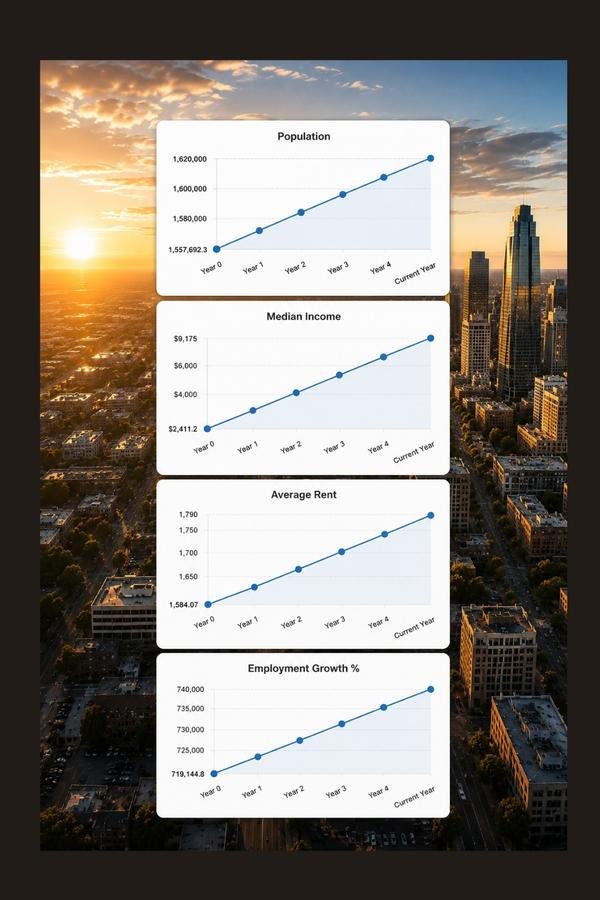
That’s why we analyze four key demographic indicators before recommending an investment market:

Population Growth

Are more people moving into the area, increasing housing demand?

Median Household Income

Is earning power increasing, allowing rents and home values to grow?

Average Rent Trends

Have rents been rising, and are they expected to continue increasing?

Employment Growth

Are new jobs supporting long-term housing demand and economic stability?

Rather than focusing only on today’s market conditions, we typically review five-year projections for each indicator. Understanding where a market is headed—not just where it is today—can help identify areas with potential for stronger appreciation, healthier rent growth, and more sustainable cash flow.

Our goal is to help you invest in markets with strong long-term potential while reducing the risk of choosing areas with declining economic fundamentals.
Population, income, rent, and employment growth charts over a city background

Choosing the Right Property Type

Which Investment Fits Your Goals?

Every property type offers different advantages depending on your investment objectives, management style, and desired cash flow.

Single-Family Homes

Can offer stable tenants, easier management, and long-term appreciation.

Duplexes

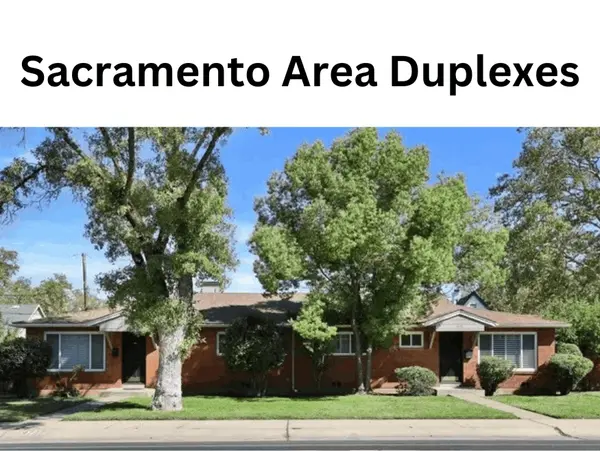
A popular balance of cash flow and tenant stability. Private garages and yards may encourage longer tenancies.

Triplexes & Fourplexes

Offer more rental income potential and economies of scale, with more active management needs.

Apartment Buildings

Can support larger-scale cash flow, portfolio growth, and long-term wealth building.

The right choice is the property type that best supports your financial goals and long-term investment strategy.

Minimum Cash Flow vs. Paper Profit

Invest Based on Cash Flow, Not Just Paper Returns

A property may show an impressive rate of return, but percentages alone don’t pay the bills. The question we ask is:

“How much positive monthly cash flow will this property generate after all expenses and financing?”
Use realistic numbers Include rental income, operating costs, and financing.
Plan for surprises Allow for vacancies, repairs, and unexpected expenses.

Strong cash flow provides a cushion against vacancies, repairs, and unexpected expenses while helping you build long-term wealth. That’s why we evaluate realistic income, operating expenses, financing costs, and long-term sustainability—not just numbers that look good on paper.

Our goal is to help you purchase properties that make financial sense today while building wealth for tomorrow. As a general guideline, we encourage investors to target meaningful positive monthly cash flow, regardless of the projected percentage return.

Choosing a Neighborhood

There may appear to be many properties available in an area, but some simply don’t make financial sense. The goal is to find the right balance between neighborhood quality and cash flow.

At a certain price point, property prices can rise quickly while rents increase only a little. That can reduce the cash flow potential of a purchase. Local market knowledge can help you find a balance that fits your comfort level and investment goals.

We can compare neighborhood quality, purchase prices, and rent potential to help you focus your search.

One way to make that decision easier is to tour your target areas together. By the end of a half-day tour, we can align on the kinds of neighborhoods you’re comfortable considering.

Neighborhood ratings: Our rating approach looks at the relationship between property prices and cash flow potential. The reference page illustrates this idea with a Monopoly game board.

Neighborhood Ratings

Our neighborhood rating system is designed to help investors evaluate the balance between purchase price, rental demand, and potential cash flow.

On our subjective 1–10 scale, neighborhoods rated between 3 and 5 often provide the strongest balance of affordability and cash-flow potential. As ratings increase, neighborhood quality and property values generally improve, but cash flow may decrease as purchase prices rise.

Lower rating Higher rating

Neighborhoods rated below 3 may present additional investment risks, including higher crime levels, vandalism, property-management challenges, or increased maintenance costs. Some investors may prefer higher-rated neighborhoods with potentially lower cash flow, while others may accept greater risk in pursuit of higher returns. There is no single strategy that is right for every investor.

Important Fair Housing Notice

Our ratings are based solely on investment-related factors, such as property values, rental income, expenses, market conditions, and cash-flow potential. Please do not ask us to evaluate or discuss neighborhoods based on race, color, religion, sex, disability, familial status, national origin, or any other protected characteristic. Federal and state fair housing laws prohibit real estate professionals from providing guidance based on these factors. We are an Equal Opportunity Brokerage and provide equal professional service without discrimination.

Illustration representing neighborhood ratings and real estate investment analysis

Cash Cow Alerts

Want to See the Best of the Best in the Markets We Serve?

Explore our proprietary Cash Cow Alerts to discover investment opportunities in the markets we serve.

Cash Cow Market Report overview and investment analysis

Research Before You Invest

Cash Cow Market Report

Discover the True Investment Potential of Any Market

The best investment property in the wrong market can still produce disappointing results. That’s why experienced investors analyze where they invest just as carefully as what they buy.

Our exclusive Cash Cow Market Report goes beyond individual property listings to evaluate the economic strength, rental demand, and long-term investment potential of a market. It gives you information to make a more informed decision.

Each report reviews important market indicators, including:

Population Growth Growth patterns and projections for future housing demand.
Job Growth & Employment Job creation and economic activity that support rental demand.
Household Income Whether local incomes are keeping pace with rents and home values.
Rental Income & Trends Current rental rates, historical patterns, and projected income potential.
Demographics & Migration Who is moving into or out of the market and what that may mean for investors.
Housing Supply New construction, availability, and the balance between supply and demand.
The Cash Cow Score An overall rating of the market’s investment strength and long-term potential.
Before investing thousands—or even millions—in a multifamily property, make sure you’re investing in the right market. The Cash Cow Market Report helps you evaluate opportunities with greater clarity and confidence.

Review the Numbers

Analyzing Investment Properties

A careful property review considers more than the asking price. These sample reports organize key information about income, comparable rents, and the unit mix.
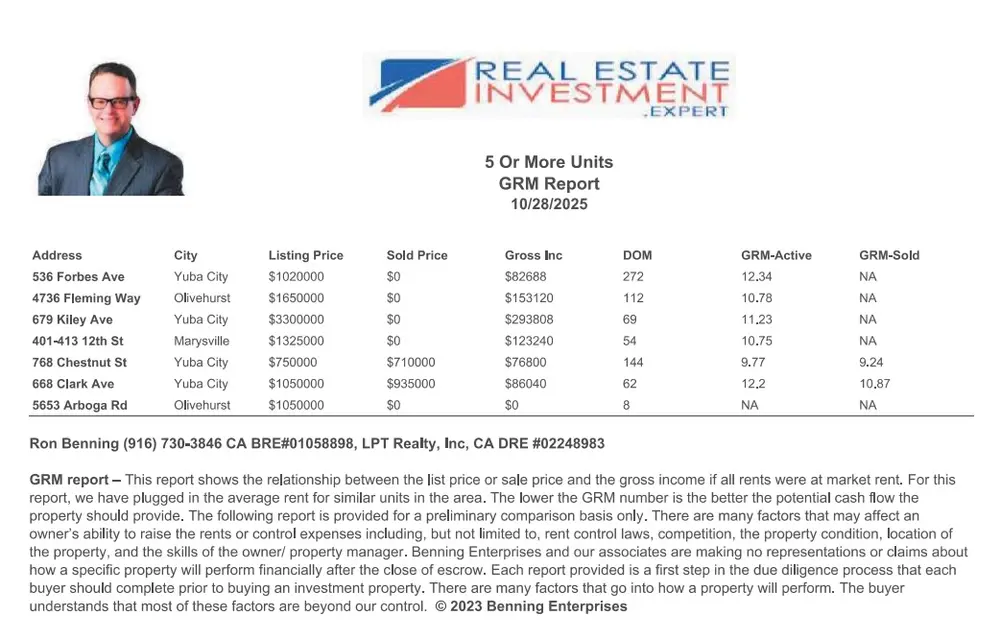
Example gross rent multiplier financial analysis report

GRM Financial Analysis

Review listing and sale prices alongside gross income and gross rent multiplier figures.

View full-size example
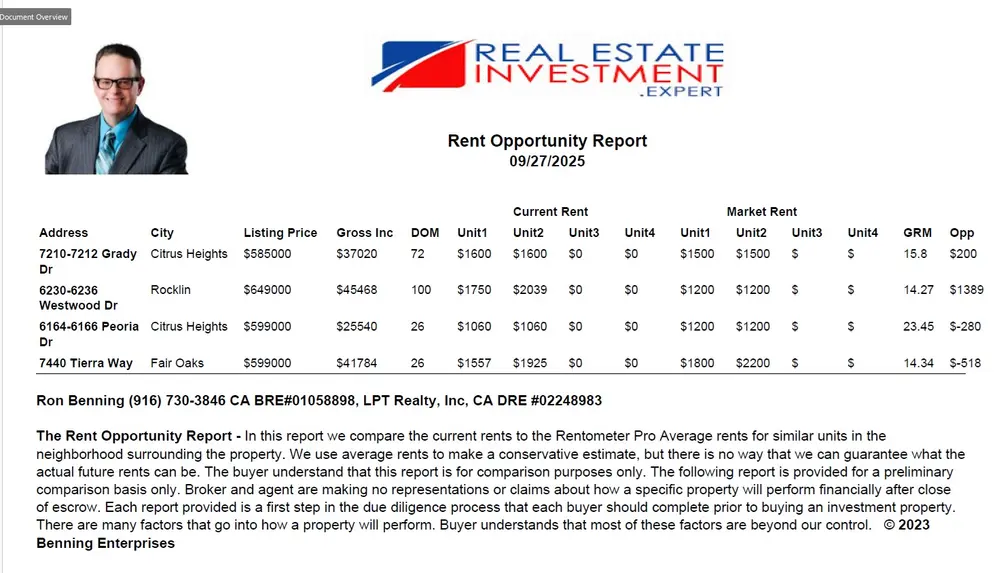
Example rental opportunity report comparing current and market rents

Rental Opportunity Report

Compare current rents with estimated market rents to help evaluate possible rental income opportunities.

View full-size example
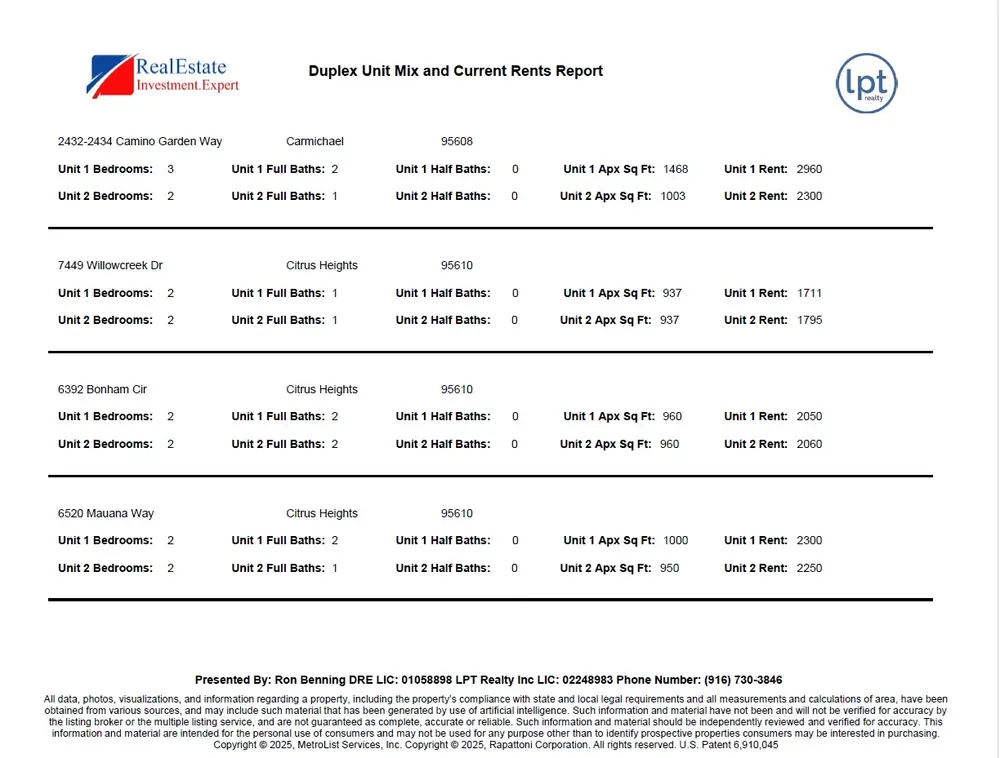
Example duplex unit mix and current rents report

Unit Mix & Current Rents

See unit layouts, bedroom and bathroom counts, square footage, and reported rents together.

View full-size example
These reports are tools for preliminary review. Buyers should verify property information, rents, expenses, and all other details during their due diligence.

Learn the Analysis Process

Analyzing Investment Properties

Learning to analyze investment properties quickly and accurately can make a difference in your investing decisions. In this video series, Ron explains how to review properties and use the reports to narrow your search.

GRM: The First Step to Analyzing Investment Properties

Learn how gross rent multiplier can provide an initial way to compare investment properties.

GRM and Unit Mix Report Explained

See how the GRM and unit mix reports can help organize property details for your review.

Using GRM Reports to Shortlist Properties

Follow the process of using report information to narrow a larger property search to a more manageable shortlist.

Rent Analysis

Understand local rents and compare neighborhoods with clear, practical reports designed to support your investment research.

Rent Report 01

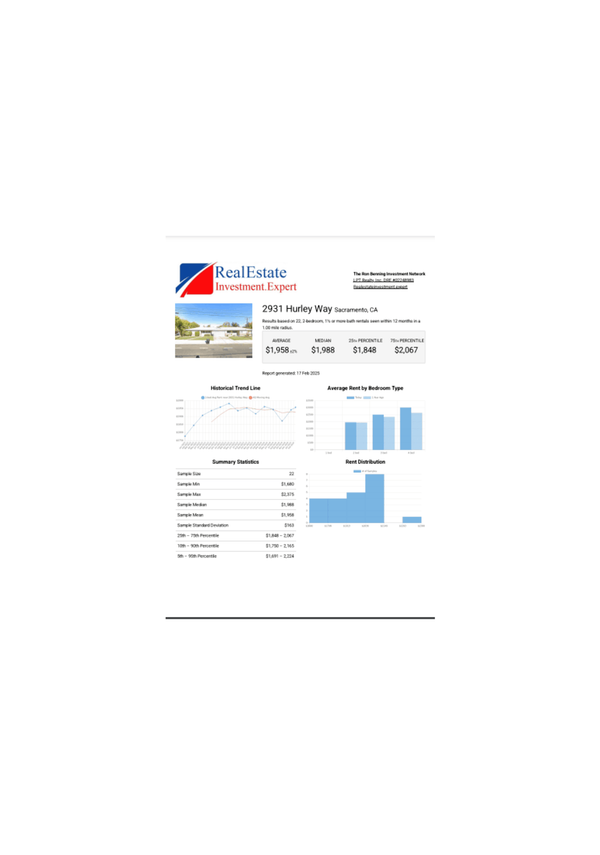
Rentometer Pro Analysis

Rent is one of the most important factors to consider when buying an investment property. If rents are too low, it may be difficult for the property to produce a profit. If they are too high, tenant turnover may become a concern.

When a purchase decision depends on current rent, it helps to understand whether those rents could be achieved with a new tenant. This analysis compares current rents with estimated fair market rents and can help identify potential rental value opportunities.
Use rent comparisons as one part of your property review, alongside expenses, property condition, financing, and other due diligence.
Rentometer Pro analysis report showing rental statistics, trends, and charts
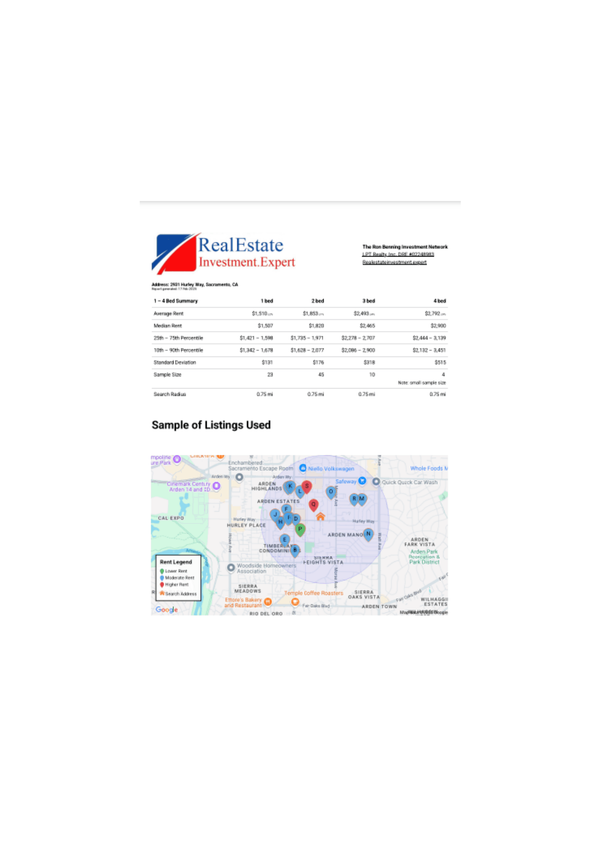
Neighborhood rent profile report with bedroom rent comparisons and a sample listings map
Rent Report 02

Neighborhood Rent Profiles Report

When you are deciding between several neighborhoods, this report can help compare average rents for one-, two-, three-, and four-bedroom properties. Comparing areas side by side can make it easier to see how unit size and location may affect rental income.

Use this report alongside property-specific research and other available market information to help evaluate potential rental value opportunities.

Available by request for clients. Ask us about comparing the neighborhoods you are considering.
Rent Analysis Video

Learn How to Analyze Rental Income Like a Professional Investor

Accurate rental income is one of the most important factors when evaluating an investment property.

In this video, Ron Benning demonstrates how to use the Rentometer Pro Report to compare current rents with market rents, identify under-rented units, and estimate long-term cash flow potential.

You’ll also learn how to interpret rent percentiles, compare similar properties, account for differences in property types, and use rental data to make more informed investment decisions.

Whether you’re buying your first duplex or expanding a multifamily portfolio, this step-by-step walkthrough can help you evaluate rental properties with greater confidence.

Learn how to use the Rentometer Report to uncover cash flow opportunities and make smarter investment decisions.
Find out the fair rent for your property with a free rent analysis
Free Rent Analysis

Find Out What a Fair Rent Is for Your Property

Get a clearer picture of what your property may rent for. A rent analysis can help you compare similar properties and understand the local rental market.

Use the report as a starting point for your research when evaluating a rental property, planning your investment, or reviewing current rents.

Get Your Free Rent Analysis
Click through to request your report.
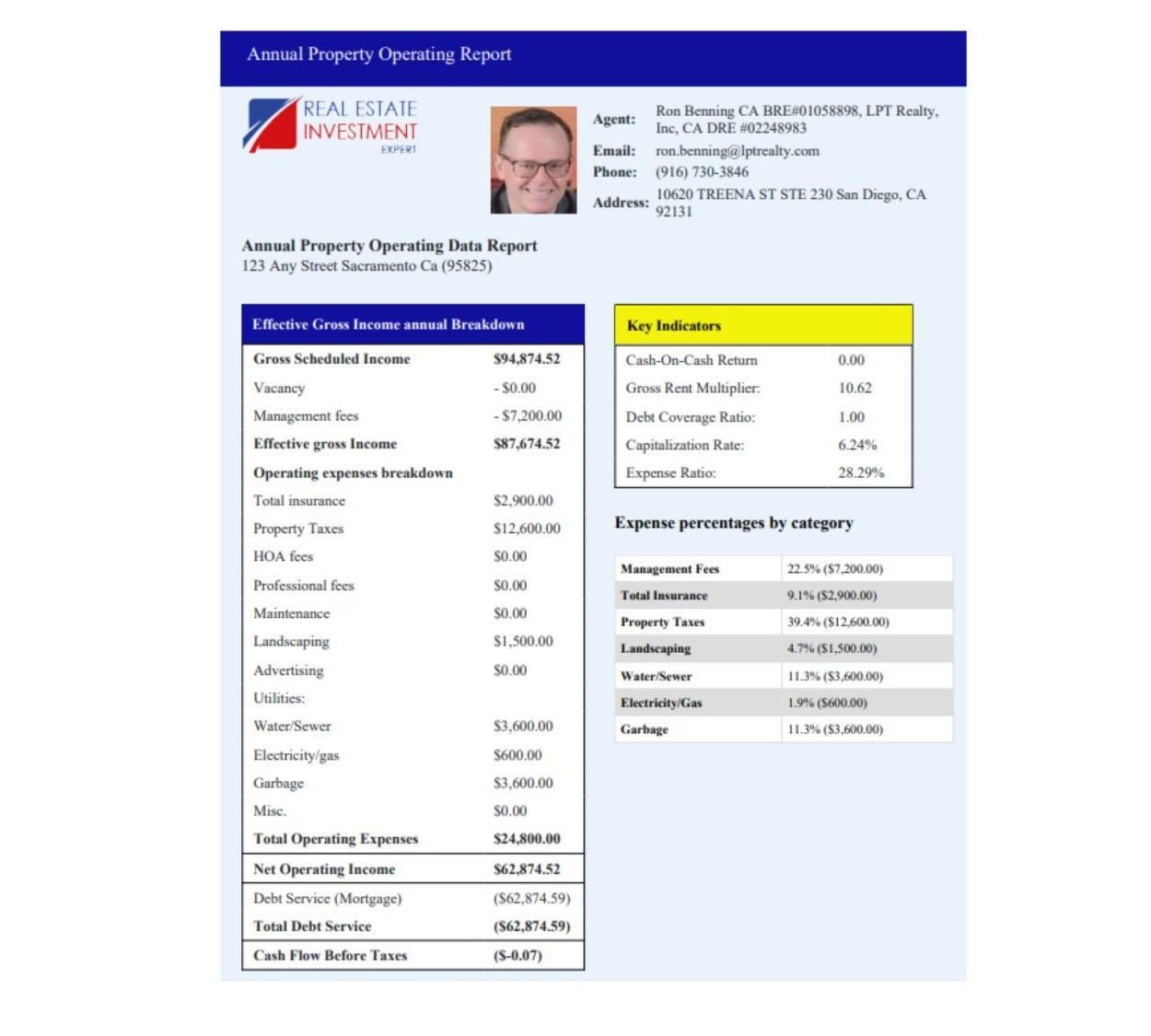
Example annual property operating report showing income, expenses, and investment indicators
Property Analysis

Pro Forma Cash Flow Analysis

We are committed to maintaining a high standard of service and providing useful information to help investors evaluate properties.

Our cash flow analysis software lets you review a property’s income and expenses and run different “what if” scenarios based on your assumptions.

Watch the Tutorial

See how the Pro Forma Cash Flow Analysis works and learn how to use it when evaluating an investment property.